

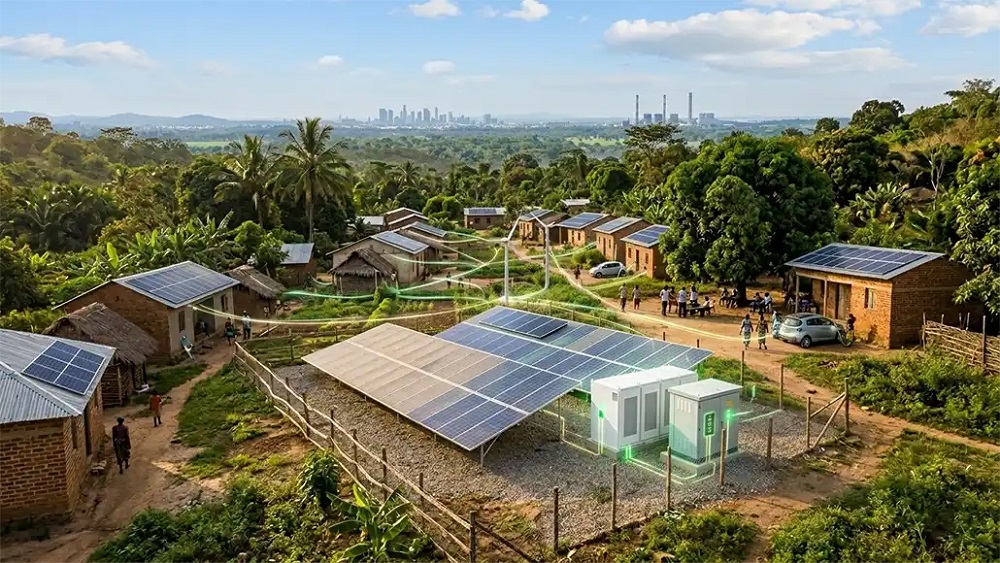
For much of the past century, energy systems followed a centralized structure, with large power plants generating electricity that traveled long distances to homes and businesses. While effective at scale, this model is evolving as energy use patterns change and new technologies become available. Freedom Forever Solar Reviews reflect the growing interest in decentralized energy as more households invest in on-site solar, battery storage, and smart controls.
Decentralized energy models distribute energy resources across many individual homes rather than concentrating them in a small number of facilities. Each household manages its own production and storage while remaining connected to the grid. This structure supports resilience through local capacity, shaping how communities think about stability, preparedness, and long-term energy planning.
What Decentralized Energy Means for Homes
Decentralized energy keeps production and control close to the point of use. For most homeowners, that means rooftop solar paired with battery storage and smart energy controls.
Unlike centralized models, decentralized systems do not rely on a single point of generation. Power originates locally, reducing reliance on long-distance transmission. Homes gain the ability to manage energy more independently while maintaining grid connection. This approach shifts how households interact with the broader energy system, emphasizing flexibility and local capability.
Local Capability Strengthens Community Stability
Resilience begins at the household level. When homes generate and store their own energy, they place less demand on shared infrastructure during periods of higher use.
Distributed systems spread capability across neighborhoods. Instead of relying on distant assets, communities benefit from many homes contributing to local energy management. As more households manage their own needs, overall system pressure decreases. This collective effect supports stability beyond individual properties and strengthens community-wide energy performance.
Storage Reinforces Decentralized Design
Battery storage plays a central role in decentralized energy models. Solar production varies throughout the day, while household demand often increases in the evening. Storage bridges this timing difference.
Stored energy supports continuity when production slows. Homes rely on local reserves during periods when external supply is less favorable. Storage also provides flexibility, allowing households to decide when to use locally stored energy based on conditions and priorities. This control reinforces decentralization by reducing reliance on centralized generation during peak periods.
Smart Controls Enable Distributed Coordination
Smart devices and energy controls provide the coordination decentralized systems require. Monitoring platforms track production, storage levels, and usage in real time.
These systems allow homes to respond dynamically. Appliances adjust timing, climate systems manage demand, and storage charges or discharges based on conditions. Coordination happens independently at each house, creating a distributed pattern of adjustment across a community. This collective responsiveness supports resilience without centralized command.
Reducing Reliance on Transmission Networks
Centralized energy systems depend heavily on transmission lines and substations. These components are designed to move power over long distances and require ongoing maintenance and capacity planning.
Decentralized energy models reduce dependence on long-distance transmission by generating and using power locally. Homes draw less energy across shared infrastructure during peak periods. This reduction supports smoother operation and lowers strain on transmission networks, benefiting communities.
Resilience as a Daily Outcome
Resilience is often associated with rare events, but decentralized energy also changes how a home performs on an ordinary day. Local generation, storage, and smart controls help households manage demand in a more even way, reducing sharp spikes that can drive higher costs and strain shared infrastructure.
Storage and smart controls do much of this work quietly. Stored energy can cover short periods of higher demand, while connected controls help shift flexible loads and avoid unnecessary peaks. When many homes operate this way, the community sees a steadier demand profile overall. Stability improves through everyday coordination, not only during emergencies.
Visibility Builds Confidence in Local Systems
Clear visibility into system behavior supports confidence in decentralized energy models. Homeowners monitor production, storage levels, and usage through accessible dashboards.
Freedom Forever reviews often highlight communication and access to system information, noting the value of understanding how home energy systems perform during both routine operation and changing grid conditions. These observations reflect how transparency reinforces comfort with decentralized approaches. Knowing how local systems respond supports trust and informed participation.
Households as Energy Stewards
Decentralized energy models shift agency toward households. Homes take an active role in managing power rather than relying exclusively on centralized supply.
This stewardship is supported by automation and smart design. Systems handle complexity while providing insight. Households make informed choices without constant oversight. As more homes adopt this role, communities benefit from shared patterns of reduced demand and increased flexibility.
Avoiding Single Points of Dependency
Centralized systems concentrate energy generation and risk. When issues arise, impacts can extend across wide areas.
Decentralized systems distribute responsibility across many homes. If one system requires maintenance, others continue operating independently. This distribution limits widespread disruption and strengthens community resilience through redundancy and independence.
Planning for Long-Term Change
Decentralized energy supports planning in an evolving environment. Energy needs change as households grow, technologies advance, and usage patterns shift.
Homes with local generation, storage, and smart controls adapt more easily. Adjustments occur without large infrastructure changes. This adaptability supports resilience over time, allowing communities to evolve alongside changing conditions.
Working Alongside Existing Infrastructure
Decentralized models complement centralized infrastructure rather than replacing it. The grid continues to provide balancing and backup support.
Homes interact with the grid selectively. They draw energy when conditions are favorable and rely on local resources during periods of higher demand. This partnership reduces strain on centralized systems while improving household reliability.
Community Resilience Through Distributed Participation
Community resilience emerges from many individual actions. Each home managing energy locally contributes to broader stability.
Distributed solar, storage, and smart devices create networks of capable households. The combined effect supports reliability, reduces strain, and enables adaptation. Resilience grows through participation rather than centralized control.
A Shift in Community Energy Planning
Decentralized energy models reflect a shift in how communities prepare for change. Instead of relying solely on large-scale solutions, households build capability at the local level.
Homes gain tools to manage energy independently while remaining connected. Communities benefit from reduced dependence on centralized assets. Through solar, storage, and smart technology, decentralized energy supports a future where resilience is built through distributed capability and thoughtful coordination.