

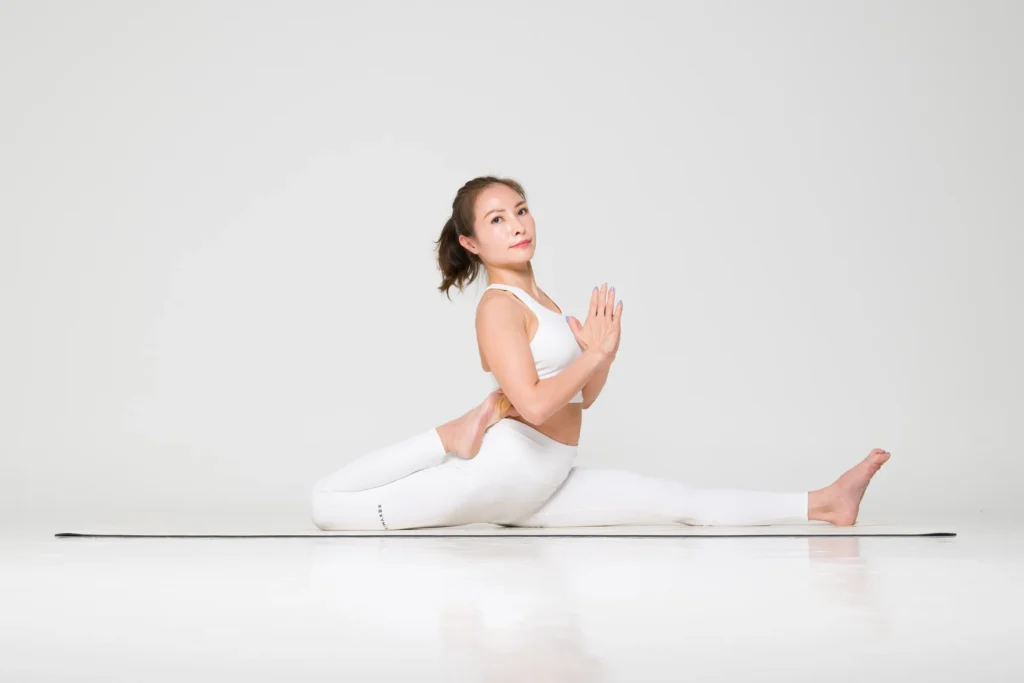
Technology and wellness may seem like opposites, yet in Singapore, their paths are merging in fascinating ways. As people look for efficient, accessible ways to care for their physical and mental wellbeing, hatha yoga is finding new life through digital innovation. From AI-powered posture correction to virtual classes that connect practitioners across continents, technology is reshaping how individuals experience one of the world’s oldest disciplines.
How Digital Innovation Is Redefining Hatha Yoga
For centuries, yoga relied on face-to-face transmission of knowledge. Today, technology allows teachers and students to bridge distance while maintaining authenticity. In Singapore’s fast-paced lifestyle, the ability to practise yoga through a screen, an app, or a smart mat has made consistency possible even for the busiest professionals.
The new wave of digital yoga tools focuses on personalisation. Instead of a one-size-fits-all sequence, practitioners can receive guided feedback, alignment cues, and progress tracking based on body type, mobility, and stress levels.
The Rise of AI in Posture Correction
One of the biggest challenges in home yoga practice is maintaining correct alignment. Artificial intelligence is solving this by analysing body position through cameras or wearable sensors.
-
Smart mirrors and apps detect joint angles and offer real-time corrections.
-
AI voice feedback systems guide users through safer transitions between poses.
-
Custom recommendations adjust future sessions according to progress and flexibility.
This technology not only reduces injury risk but also builds confidence among beginners who may hesitate to join public classes.
Smart Mats and Biometric Tracking
Smart yoga mats are becoming a trend among Singapore’s wellness enthusiasts. These mats measure pressure, balance, and weight distribution, providing feedback through connected apps. They allow practitioners to see how evenly they distribute weight during standing poses or whether their breathing rhythm aligns with movement.
Integrated biometric data such as heart rate and temperature gives deeper insight into how each session affects the body. This real-time connection between physical feedback and mindfulness strengthens the practice by combining tradition with science.
Virtual Reality and Immersive Yoga Environments
Virtual reality is transforming the ambience of yoga practice. Imagine stepping into a tranquil Himalayan meadow or a Japanese garden without leaving your living room. VR-guided hatha yoga classes transport users into calming environments designed to enhance focus and relaxation.
By engaging sight and sound, virtual yoga helps users disconnect from urban noise and immerse in a space conducive to meditation. For many, this experience recreates the serenity of a physical studio, especially during travel or remote work periods.
The Accessibility Factor in Urban Singapore
Singapore’s work culture and commuting schedules make it difficult for many to attend regular studio sessions. Technology has removed this barrier. On-demand classes, mobile platforms, and short virtual sessions are now common for those seeking flexible practice times.
This accessibility has made hatha yoga more inclusive. Parents, elderly individuals, and people with disabilities can participate from home. It has also opened new avenues for corporate wellness programmes that integrate online yoga sessions into work-from-home routines.
Data-Driven Mindfulness
Technology has turned mindfulness into something measurable. Through apps and wearable devices, practitioners can now observe how their heart rate, breathing pattern, or stress index responds to yoga.
This quantification encourages consistency. Seeing progress in numbers helps practitioners stay motivated, transforming yoga from a vague wellness goal into a trackable, tangible journey.
The Blend of Tradition and Technology
A key concern among purists is that digital tools might dilute yoga’s philosophical roots. However, the best modern platforms balance convenience with authenticity. Many apps now include teachings on pranayama (breath control), dharana (concentration), and meditation alongside physical asanas.
This integration ensures that technology enhances rather than replaces the essence of yoga. It makes the practice relevant to digital natives while honouring its spiritual depth.
Social Connectivity and Global Communities
Online platforms have created a new kind of yoga community. Students in Singapore can join virtual workshops hosted by teachers in India, Europe, or the United States. These global exchanges enrich understanding by exposing practitioners to diverse interpretations of hatha yoga.
Social media also plays a role. Practitioners share progress photos, discuss routines, and exchange tips. While overexposure can sometimes shift focus to appearance, mindful engagement online can foster inspiration and accountability.
Corporate Tech and Employee Wellness
Singaporean companies are integrating yoga into digital wellness ecosystems. Employee portals now feature guided yoga videos, AI health tracking, and virtual team sessions. The combination of movement and mindfulness is helping reduce workplace stress and improve team morale.
Remote work setups have further increased demand for digital yoga. Executives attending global meetings can easily take 15-minute mindfulness breaks guided by wearable prompts or VR environments. It is wellness that fits seamlessly into a tech-driven lifestyle.
Personalisation Through Machine Learning
Machine learning allows yoga apps to adapt dynamically. The system learns from each session, identifying patterns in user performance. For instance, if someone struggles with balance in Tree Pose, the next session might include strengthening drills for the ankles or core.
This level of personalisation reflects the same individualised approach that traditional yoga teachers offer, but with the scalability of technology. It ensures that even remote practitioners receive relevant guidance.
Ethical Technology and Mindful Design
As yoga enters the digital space, ethical design becomes crucial. Apps and devices must respect user privacy, avoid over-commercialisation, and prioritise wellbeing over profit. Designers are beginning to include digital boundaries—features that remind users to rest eyes, stretch, or take mindful pauses instead of encouraging endless screen time.
This mindful design philosophy reflects the values of yoga itself: awareness, restraint, and balance.
The Role of Sound and AI in Meditation
Sound-based AI tools are reshaping meditation within hatha yoga. Advanced algorithms create adaptive soundscapes that respond to breathing pace or heart rate. When stress levels rise, the app automatically shifts to slower, grounding tones.
This synchronised feedback transforms meditation into an interactive, evolving experience that deepens relaxation and focus.
Sustainability in the Age of Digital Wellness
The digital transformation of yoga also supports environmental sustainability. Virtual classes eliminate commuting emissions, while digital memberships reduce the need for printed materials and studio resources. This aligns with Singapore’s broader sustainability goals and the yogic principle of ahimsa, or non-harm.
Practitioners are also becoming more conscious of eco-friendly tech accessories such as mats made from recycled materials or solar-powered smart devices.
The Future of Yoga Technology
Looking ahead, hatha yoga is likely to evolve through mixed-reality experiences, combining physical studios with digital extensions. Hybrid classes may allow participants in different cities to join one session in real time.
The use of haptic feedback—subtle vibrations that guide body alignment—will soon make digital instruction even more precise. These innovations promise a future where yoga transcends physical boundaries while maintaining its spiritual integrity.
Why Human Guidance Still Matters
Despite the rise of digital aids, human teachers remain irreplaceable. Technology provides accuracy, but empathy and intuition come from personal instruction. The ideal model is hybrid—combining digital convenience with occasional in-person sessions to refine understanding.
Teachers also ensure the emotional and ethical context of yoga remains intact, reminding practitioners that mindfulness cannot be automated.
Reconnecting Technology With Inner Stillness
Ironically, technology, when used wisely, can help users disconnect from constant stimulation. Many Singaporeans now set aside ten minutes daily for app-guided breathwork or digital detox yoga. This use of tech fosters discipline rather than distraction.
It proves that innovation and inner peace are not conflicting goals but complementary paths.
When Technology Serves Tradition
Hatha yoga in the digital age is not about abandoning roots but extending reach. Through smart tools and connected platforms, the ancient wisdom of balance is becoming more accessible to modern lifestyles.
Those who continue their journey with Yoga Edition find that technology enhances—not replaces—the power of presence. With the right balance, innovation becomes a bridge to mindfulness rather than an escape from it.
FAQ
Q: Can AI really correct yoga postures accurately?
Yes, modern AI uses motion detection and angle measurement to identify alignment errors. It is highly effective for basic corrections, though complex postures still benefit from a human teacher’s guidance.
Q: Are smart yoga mats worth investing in?
For practitioners who enjoy data tracking and feedback, yes. These mats enhance awareness of weight distribution and balance, helping to refine technique.
Q: Does digital yoga compromise traditional values?
Not necessarily. When technology is used to support learning rather than replace mindfulness, it complements traditional practice beautifully.
Q: Can virtual yoga be as effective as in-person sessions?
For experienced practitioners, yes. Beginners may benefit from occasional in-person adjustments to ensure safe alignment.
Q: How can I prevent digital distraction during online yoga?
Create a quiet space, silence notifications, and treat your virtual class as if you were physically in a studio. Setting intention before each session keeps focus intact.